
By Stainless Steel Jewelry Wholesale | 21 July 2026
The Commercial Mechanics of 316L Stainless Steel Jewelry Pricing
In the modern jewelry market, 316L stainless steel—commonly referred to as surgical or marine-grade steel—has established itself as the gold standard for high-performance fashion accessories.
Prized for its hypoallergenic composition, extreme durability, and tarnish-free resilience, 316L allows jewelry brands to offer waterproof, long-lasting lines at accessible price points.
However, when evaluating 316L stainless steel jewelry prices, procurement directors and retail buyers often encounter wide price variations. While wholesale unit prices for simple components can start well under $1.00, finished statement pieces, intricate chains, or gold-coated designs can range from $2.00 to over $20.00 at wholesale, commanding retail price tags between $30 and $150+.
Understanding the key drivers behind these pricing tiers is critical for optimizing margins and ensuring quality control.
1. The Raw Material Benchmark: 316L vs. 201 Alloys
The foundational factor influencing price is the alloy composition. 316L stainless steel contains a specialized addition of 2% to 3% molybdenum. This expensive element gives the alloy its signature resistance to pitting, sweat oxidation, and salt air. Furthermore, the "L" signifies low carbon content (<0.03%), preventing micro-fissures during manufacturing.
To lower production expenses, lower-tier manufacturers often substitute Grade 201 steel, which reduces unit costs by 20% to 30%. However, Grade 201 lacks molybdenum and can dull or pit under continuous sweat and chlorine exposure. Choosing genuine 316L carries a slight material premium, but it eliminates customer returns caused by skin discoloration or corrosion.
2. Manufacturing, Fabrication, and Finishing Complexity
The physical engineering required to create a piece of 316L jewelry heavily dictates its wholesale pricing tier.
Basic Stamping vs. Lost-Wax Casting: Simple, flat-stamped pendants or lightweight wire hoop earrings require minimal machine runtime, placing their base factory cost near the lower end of the pricing spectrum. Conversely, heavy Cuban links, signet rings, or detailed skull rings demand multi-cavity lost-wax investment casting or high-precision CNC machining, increasing labor and tooling overhead.
Stone Setting Integrity: Low-cost 316L jewelry often uses glued-in crystals that degrade when exposed to hot water. Higher-priced 316L collections utilize prong or micro-pave hand-settings, where metal claws are mechanically folded over each stone to ensure long-term retention.
Surface Polishing and Ergonomics: Achieving a bright, precious-metal luster on tough 316L steel requires multi-stage mechanical hand-polishing.
Adding a rounded, internal "comfort-fit" band to heavy rings also requires extra machining and hand-finishing, which adds to the per-unit cost.
3. Surface Plating: Standard Coating vs. PVD Vacuum Plating
For gold, rose gold, or black 316L jewelry, the surface finishing technology is a primary cost differentiator.
Top-tier 316L steel manufacturers utilize Physical Vapor Deposition (PVD) vacuum coating. In a high-heat vacuum chamber, real gold is transformed into a plasma state and vaporized directly into the surface of the 316L steel. This creates an atomic-level bond that resists seawater, perfumes, and daily wear.
While PVD treatment raises the wholesale unit price, it allows brands to market their line with a strong "100% waterproof and tarnish-proof" guarantee.
Strategic B2B Sourcing Recommendations
To maximize return on investment while maintaining brand authority, procurement managers should follow these three sourcing principles:
Demand Chemical Certification: Protect your supply chain by requesting updated material test reports from accredited testing bodies like SGS or Intertek to verify 316L chemical compliance (confirming molybdenum levels and EU REACH nickel-release standards).
Prioritize PVD Finishing: For colored steel collections, invest in verified PVD vacuum coating rather than cheap electroplating to protect your brand's reputation and support higher retail price points.
Optimize Inventory Flow: Work with agile wholesale suppliers that combine competitive factory pricing with flexible ordering terms—such as low minimum order quantities (MOQ) and flat-rate shipping thresholds—to maintain healthy cash flow.
By analyzing the metallurgical and manufacturing factors behind 316L stainless steel jewelry pricing, retail enterprises can confidently build resilient, high-margin product lines engineered for long-term growth.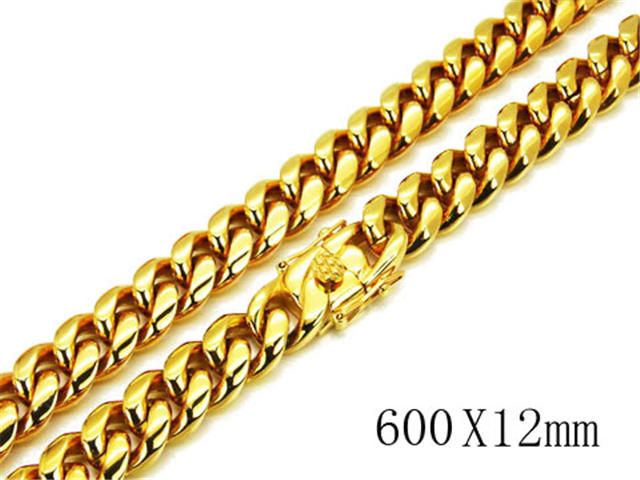
Prized for its hypoallergenic composition, extreme durability, and tarnish-free resilience, 316L allows jewelry brands to offer waterproof, long-lasting lines at accessible price points.
However, when evaluating 316L stainless steel jewelry prices, procurement directors and retail buyers often encounter wide price variations. While wholesale unit prices for simple components can start well under $1.00, finished statement pieces, intricate chains, or gold-coated designs can range from $2.00 to over $20.00 at wholesale, commanding retail price tags between $30 and $150+.
Understanding the key drivers behind these pricing tiers is critical for optimizing margins and ensuring quality control.
1. The Raw Material Benchmark: 316L vs. 201 Alloys
The foundational factor influencing price is the alloy composition. 316L stainless steel contains a specialized addition of 2% to 3% molybdenum. This expensive element gives the alloy its signature resistance to pitting, sweat oxidation, and salt air. Furthermore, the "L" signifies low carbon content (<0.03%), preventing micro-fissures during manufacturing.
To lower production expenses, lower-tier manufacturers often substitute Grade 201 steel, which reduces unit costs by 20% to 30%. However, Grade 201 lacks molybdenum and can dull or pit under continuous sweat and chlorine exposure. Choosing genuine 316L carries a slight material premium, but it eliminates customer returns caused by skin discoloration or corrosion.
2. Manufacturing, Fabrication, and Finishing Complexity
The physical engineering required to create a piece of 316L jewelry heavily dictates its wholesale pricing tier.
Basic Stamping vs. Lost-Wax Casting: Simple, flat-stamped pendants or lightweight wire hoop earrings require minimal machine runtime, placing their base factory cost near the lower end of the pricing spectrum. Conversely, heavy Cuban links, signet rings, or detailed skull rings demand multi-cavity lost-wax investment casting or high-precision CNC machining, increasing labor and tooling overhead.
Stone Setting Integrity: Low-cost 316L jewelry often uses glued-in crystals that degrade when exposed to hot water. Higher-priced 316L collections utilize prong or micro-pave hand-settings, where metal claws are mechanically folded over each stone to ensure long-term retention.
Surface Polishing and Ergonomics: Achieving a bright, precious-metal luster on tough 316L steel requires multi-stage mechanical hand-polishing.
Adding a rounded, internal "comfort-fit" band to heavy rings also requires extra machining and hand-finishing, which adds to the per-unit cost.
3. Surface Plating: Standard Coating vs. PVD Vacuum Plating
For gold, rose gold, or black 316L jewelry, the surface finishing technology is a primary cost differentiator.
Top-tier 316L steel manufacturers utilize Physical Vapor Deposition (PVD) vacuum coating. In a high-heat vacuum chamber, real gold is transformed into a plasma state and vaporized directly into the surface of the 316L steel. This creates an atomic-level bond that resists seawater, perfumes, and daily wear.
While PVD treatment raises the wholesale unit price, it allows brands to market their line with a strong "100% waterproof and tarnish-proof" guarantee.
Strategic B2B Sourcing Recommendations
To maximize return on investment while maintaining brand authority, procurement managers should follow these three sourcing principles:
Demand Chemical Certification: Protect your supply chain by requesting updated material test reports from accredited testing bodies like SGS or Intertek to verify 316L chemical compliance (confirming molybdenum levels and EU REACH nickel-release standards).
Prioritize PVD Finishing: For colored steel collections, invest in verified PVD vacuum coating rather than cheap electroplating to protect your brand's reputation and support higher retail price points.
Optimize Inventory Flow: Work with agile wholesale suppliers that combine competitive factory pricing with flexible ordering terms—such as low minimum order quantities (MOQ) and flat-rate shipping thresholds—to maintain healthy cash flow.
By analyzing the metallurgical and manufacturing factors behind 316L stainless steel jewelry pricing, retail enterprises can confidently build resilient, high-margin product lines engineered for long-term growth.
