
By Stainless Steel Jewelry Wholesale | 28 July 2026
Sourcing Wholesale Men’s Stainless Steel Jewelry: A B2B Retail Strategy Guide
Sourcing Wholesale Men’s Stainless Steel Jewelry: A B2B Retail Strategy Guide
The men’s fashion accessory market is experiencing sustained commercial growth. Driven by streetwear trends, urban culture, and an activewear-oriented lifestyle demographic, consumer demand for bold, durable jewelry has reached an all-time high.
1. The Metallurgical Baseline: Enforcing 316L
In B2B procurement, accepting vague terms like "surgical steel" without chemical verification introduces major commercial risk. Low-cost fashion suppliers frequently substitute commercial-grade 301 or inferior 201 steel alloys to lower raw material costs. For an authoritative retail operation, 316L stainless steel is the non-negotiable baseline standard.
The "L" in 316L signifies low carbon content (less than 0.03%), which preserves structural integrity and prevents micro-fissures during precision laser cutting, link welding, and stamping. Crucially, 316L contains an essential 2% to 3% addition of molybdenum.
This specific element drastically increases resistance to localized chemical attacks and pitting from human sweat, chlorinated pool water, and ocean salinity—preventing heavy men's chains, signet rings, and bracelets from dulling or tarnishing over time.
Hypoallergenic Security: 316L locks trace nickel atoms securely within a stable crystalline matrix. This keeps nickel release rates well below the strict safety limits enforced by EU REACH regulations (EN 1811 standard) and California's Proposition 65, protecting your enterprise from customer liability and returns.
2. Finishing Technology: High-Vacuum PVD Plating
For collections featuring gold, rose gold, or gunmetal finishes, the longevity of the color layer dictates your customer retention rate. Avoid component wholesalers who rely on traditional chemical electroplating, which merely deposits a fragile, microscopic film of gold that flakes or scratches off within weeks.
Top-tier wholesale partners finish their men's collections using Physical Vapor Deposition (PVD) vacuum coating.
In a high-temperature vacuum chamber, real 14k or 18k gold is vaporized into a high-energy plasma and molecularly fused to the 316L steel base. This produces an incredibly dense finish that easily resists chemical breakdown from shampoos, body washes, and heavy friction, allowing your brand to confidently offer a completely waterproof and sweat-proof guarantee.
3. Key Men’s Product Categories & Manufacturing Metrics
When curating your wholesale purchase order, ensure your product mix addresses these core, proven category benchmarks.
B2B Sourcing Checklist for Enterprise Buyers
To maximize your margin potential, anchor your procurement to a transparent, technically compliant manufacturer. Evaluate your supply chain using these three operational guidelines:
Mandate Third-Party Lab Verification: Require batch-tested Material Technology Data Sheets (MTDS) from accredited global testing bodies like SGS, Intertek, or Bureau Veritas to verify chemical compliance.
Verify Laser Branding Capabilities: Partner with factories offering automated fiber-laser engraving to add brand logos, custom text, or a "316L" quality hallmark directly onto clasps, tags, or internal ring bands.
Optimize Working Capital: Work with agile wholesale suppliers that combine direct-to-factory unit pricing with flexible ordering terms—such as low Minimum Order Quantities (MOQs) and flat-rate shipping thresholds—to maintain healthy cash flow.
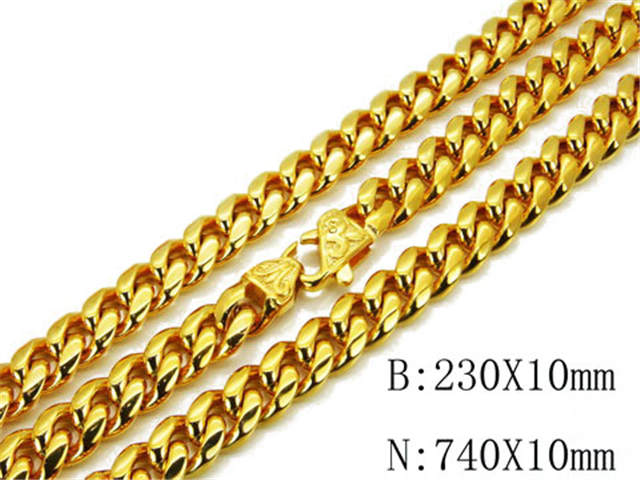
The men’s fashion accessory market is experiencing sustained commercial growth. Driven by streetwear trends, urban culture, and an activewear-oriented lifestyle demographic, consumer demand for bold, durable jewelry has reached an all-time high.
1. The Metallurgical Baseline: Enforcing 316L
In B2B procurement, accepting vague terms like "surgical steel" without chemical verification introduces major commercial risk. Low-cost fashion suppliers frequently substitute commercial-grade 301 or inferior 201 steel alloys to lower raw material costs. For an authoritative retail operation, 316L stainless steel is the non-negotiable baseline standard.
The "L" in 316L signifies low carbon content (less than 0.03%), which preserves structural integrity and prevents micro-fissures during precision laser cutting, link welding, and stamping. Crucially, 316L contains an essential 2% to 3% addition of molybdenum.
This specific element drastically increases resistance to localized chemical attacks and pitting from human sweat, chlorinated pool water, and ocean salinity—preventing heavy men's chains, signet rings, and bracelets from dulling or tarnishing over time.
Hypoallergenic Security: 316L locks trace nickel atoms securely within a stable crystalline matrix. This keeps nickel release rates well below the strict safety limits enforced by EU REACH regulations (EN 1811 standard) and California's Proposition 65, protecting your enterprise from customer liability and returns.
2. Finishing Technology: High-Vacuum PVD Plating
For collections featuring gold, rose gold, or gunmetal finishes, the longevity of the color layer dictates your customer retention rate. Avoid component wholesalers who rely on traditional chemical electroplating, which merely deposits a fragile, microscopic film of gold that flakes or scratches off within weeks.
Top-tier wholesale partners finish their men's collections using Physical Vapor Deposition (PVD) vacuum coating.
In a high-temperature vacuum chamber, real 14k or 18k gold is vaporized into a high-energy plasma and molecularly fused to the 316L steel base. This produces an incredibly dense finish that easily resists chemical breakdown from shampoos, body washes, and heavy friction, allowing your brand to confidently offer a completely waterproof and sweat-proof guarantee.
3. Key Men’s Product Categories & Manufacturing Metrics
When curating your wholesale purchase order, ensure your product mix addresses these core, proven category benchmarks.
B2B Sourcing Checklist for Enterprise Buyers
To maximize your margin potential, anchor your procurement to a transparent, technically compliant manufacturer. Evaluate your supply chain using these three operational guidelines:
Mandate Third-Party Lab Verification: Require batch-tested Material Technology Data Sheets (MTDS) from accredited global testing bodies like SGS, Intertek, or Bureau Veritas to verify chemical compliance.
Verify Laser Branding Capabilities: Partner with factories offering automated fiber-laser engraving to add brand logos, custom text, or a "316L" quality hallmark directly onto clasps, tags, or internal ring bands.
Optimize Working Capital: Work with agile wholesale suppliers that combine direct-to-factory unit pricing with flexible ordering terms—such as low Minimum Order Quantities (MOQs) and flat-rate shipping thresholds—to maintain healthy cash flow.
