
By Stainless Steel Jewelry Wholesale | 22 July 2026
Is 316L Stainless Steel Jewelry Worth It? A B2B Value & ROI Analysis
Is 316L Stainless Steel Jewelry Worth It? A B2B Value & ROI Analysis
In the global accessory market, 316L stainless steel—commonly designated as surgical or marine-grade steel—has evolved from a utility metal into a dominant force in modern jewelry manufacturing.
Yet, procurement directors, brand founders, and inventory managers frequently evaluate a core commercial question: Is 316L stainless steel jewelry worth the investment compared to precious metals or cheaper fashion alloys?
When analyzing "worth" from a retail perspective, the answer extends far beyond raw commodity melt value. While 316L steel does not hold intrinsic bullion value like 14K gold or 925 sterling silver, its commercial value lies in long-term operational profitability, near-zero return rates, and exceptional perceived value.
1. The Value Equation: Production Costs vs. High-Margin Retail Pricing
To evaluate the commercial worth of 316L jewelry, retail buyers must look at the margin spread between factory production and consumer retail pricing.
While base metal alloys (brass or zinc) offer lower initial unit costs, they carry high customer return rates due to skin discoloration and rapid tarnishing. Conversely, sterling silver provides precious metal appeal but requires frequent polishing, anti-tarnish packaging, and fluctuates directly with volatile bullion markets.
316L stainless steel provides an ideal commercial balance: low production costs that allow for 5x to 8x retail markups, paired with physical durability that eliminates tarnish-related returns.
2. Metallurgical Properties That Protect Brand Equity
The intrinsic performance of 316L steel directly safeguards a retail brand's reputation and customer lifetime value:
Corrosion & Pitting Resistance
Unlike basic steel grades, 316L contains 2% to 3% molybdenum alongside a low carbon content (under 0.03%). This specialized formula prevents pitting and rust when exposed to seawater, chlorinated pools, or acidic human sweat, making it the premier choice for waterproof, daily-wear collections.
Hypoallergenic Safety Profile
Biocompatibility is critical in modern retail. 316L surgical steel holds tight molecular bonds that restrict nickel release, meeting stringent global safety mandates (such as EU REACH standards). This minimizes the risk of allergic contact dermatitis, allowing brands to safely market their lines to consumers with sensitive skin.
PVD Plating Compatibility
316L serves as an ideal substrate for Physical Vapor Deposition (PVD) vacuum coating. In a vacuum chamber, real 18K gold is molecularly fused to the steel core, creating a dense finish that resists fading, chipping, and daily abrasion.
3. Sourcing Strategy: Maximizing B2B Return on Investment
For jewelry enterprises seeking to maximize inventory ROI, integrating 316L stainless steel requires a strategic procurement framework:
Demand Material Compliance: Always verify that factory suppliers provide updated chemical lab reports from accredited testing agencies (such as SGS or Intertek) to ensure true 316L molybdenum composition rather than lower-grade 201 substitutions.
Leverage Flexible Inventory Structures: Partner with established B2B suppliers that offer direct factory pricing alongside low Minimum Order Quantities (MOQs)—such as 3 pieces per style—to test new trends without tying up excess working capital.
Position Around Performance: Build marketing campaigns around functional value—highlighting tarnish-free, waterproof, and hypoallergenic durability—to justify premium retail price points and build lasting brand trust.
The Final Verdict
Is 316L stainless steel jewelry worth it? For retail brands and e-commerce enterprises, absolutely. While it is not an investment metal for scrap resale, 316L steel represents one of the highest ROI product categories in modern fashion retail—delivering exceptional durability, high profit margins, and long-term customer satisfaction.
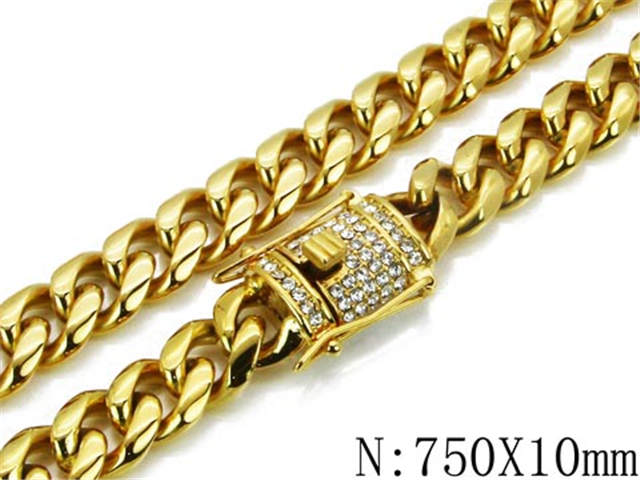
In the global accessory market, 316L stainless steel—commonly designated as surgical or marine-grade steel—has evolved from a utility metal into a dominant force in modern jewelry manufacturing.
Yet, procurement directors, brand founders, and inventory managers frequently evaluate a core commercial question: Is 316L stainless steel jewelry worth the investment compared to precious metals or cheaper fashion alloys?
When analyzing "worth" from a retail perspective, the answer extends far beyond raw commodity melt value. While 316L steel does not hold intrinsic bullion value like 14K gold or 925 sterling silver, its commercial value lies in long-term operational profitability, near-zero return rates, and exceptional perceived value.
1. The Value Equation: Production Costs vs. High-Margin Retail Pricing
To evaluate the commercial worth of 316L jewelry, retail buyers must look at the margin spread between factory production and consumer retail pricing.
While base metal alloys (brass or zinc) offer lower initial unit costs, they carry high customer return rates due to skin discoloration and rapid tarnishing. Conversely, sterling silver provides precious metal appeal but requires frequent polishing, anti-tarnish packaging, and fluctuates directly with volatile bullion markets.
316L stainless steel provides an ideal commercial balance: low production costs that allow for 5x to 8x retail markups, paired with physical durability that eliminates tarnish-related returns.
2. Metallurgical Properties That Protect Brand Equity
The intrinsic performance of 316L steel directly safeguards a retail brand's reputation and customer lifetime value:
Corrosion & Pitting Resistance
Unlike basic steel grades, 316L contains 2% to 3% molybdenum alongside a low carbon content (under 0.03%). This specialized formula prevents pitting and rust when exposed to seawater, chlorinated pools, or acidic human sweat, making it the premier choice for waterproof, daily-wear collections.
Hypoallergenic Safety Profile
Biocompatibility is critical in modern retail. 316L surgical steel holds tight molecular bonds that restrict nickel release, meeting stringent global safety mandates (such as EU REACH standards). This minimizes the risk of allergic contact dermatitis, allowing brands to safely market their lines to consumers with sensitive skin.
PVD Plating Compatibility
316L serves as an ideal substrate for Physical Vapor Deposition (PVD) vacuum coating. In a vacuum chamber, real 18K gold is molecularly fused to the steel core, creating a dense finish that resists fading, chipping, and daily abrasion.
3. Sourcing Strategy: Maximizing B2B Return on Investment
For jewelry enterprises seeking to maximize inventory ROI, integrating 316L stainless steel requires a strategic procurement framework:
Demand Material Compliance: Always verify that factory suppliers provide updated chemical lab reports from accredited testing agencies (such as SGS or Intertek) to ensure true 316L molybdenum composition rather than lower-grade 201 substitutions.
Leverage Flexible Inventory Structures: Partner with established B2B suppliers that offer direct factory pricing alongside low Minimum Order Quantities (MOQs)—such as 3 pieces per style—to test new trends without tying up excess working capital.
Position Around Performance: Build marketing campaigns around functional value—highlighting tarnish-free, waterproof, and hypoallergenic durability—to justify premium retail price points and build lasting brand trust.
The Final Verdict
Is 316L stainless steel jewelry worth it? For retail brands and e-commerce enterprises, absolutely. While it is not an investment metal for scrap resale, 316L steel represents one of the highest ROI product categories in modern fashion retail—delivering exceptional durability, high profit margins, and long-term customer satisfaction.
